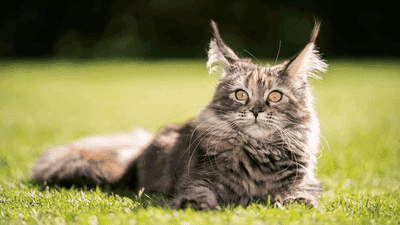
Just as weather changes impact human health, they can also significantly affect the well-being of our pets. From the sweltering heat of summer to the icy chill of winter, each season brings unique challenges for pet owners. Understanding how climate affects your pet’s health and implementing seasonal care strategies can help ensure your furry friend remains healthy and comfortable year-round.

Just as weather changes impact human health, they can also significantly affect the well-being of our pets. From the sweltering heat of summer to the icy chill of winter, each season brings unique challenges for pet owners. Understanding how climate affects your pet’s health and implementing seasonal care strategies can help ensure your furry friend remains healthy and comfortable year-round.
1. Understanding the Impact of Climate on Pets
Why Climate Matters
Pets are highly sensitive to changes in temperature, humidity, and weather conditions. Extreme weather can lead to health issues such as heatstroke, hypothermia, dehydration, and respiratory problems. Additionally, seasonal changes can affect your pet’s behavior, activity levels, and overall well-being.
Factors to Consider
- Breed and Size: Smaller pets and breeds with short coats are more susceptible to cold weather, while larger pets and breeds with thick coats may struggle in hot climates.
- Age: Puppies, kittens, senior pets, and those with pre-existing health conditions are more vulnerable to extreme weather.
- Location: Pets living in regions with harsh winters or hot summers require extra care to cope with the climate.
2. Spring: Managing Allergies and Activity

Common Health Issues
- Allergies: Spring is prime allergy season for pets. Pollen, grass, and mold can trigger itchy skin, sneezing, and ear infections.
- Increased Activity: Warmer weather encourages more outdoor activity, which can lead to injuries or overexertion.
Seasonal Care Tips
- Manage Allergies: Bathe your pet regularly to remove allergens from their coat. Consult your vet for allergy medications or supplements.
- Gradual Exercise: Gradually increase your pet’s activity level to prevent muscle strains or injuries.
- Parasite Prevention: Spring is the start of flea and tick season. Use preventive treatments and check your pet for parasites after outdoor activities.
3. Summer: Protecting Against Heat and Dehydration
Common Health Issues
- Heatstroke: Prolonged exposure to high temperatures can cause life-threatening heatstroke.
- Dehydration: Pets can quickly become dehydrated in hot weather, especially during physical activity.
- Sunburn: Pets with light-colored fur or thin coats are at risk of sunburn, particularly on their ears and nose.
Seasonal Care Tips
- Provide Shade and Water: Ensure your pet has access to fresh water and a cool, shaded area at all times.
- Avoid Peak Heat: Walk your pet early in the morning or late in the evening when temperatures are cooler.
- Use Sun Protection: Apply pet-safe sunscreen to vulnerable areas and consider protective clothing for pets with thin coats.
- Never Leave Pets in Cars: The temperature inside a car can rise to dangerous levels within minutes.
4. Fall: Preparing for Changing Temperatures

Common Health Issues
- Seasonal Allergies: Ragweed and mold can trigger allergies in pets during the fall.
- Decreased Daylight: Shorter days can impact your pet’s mood and activity levels.
- Tick Risks: Ticks remain active in many regions during the fall, increasing the risk of Lyme disease.
Seasonal Care Tips
- Continue Parasite Prevention: Keep your pet on flea and tick preventives throughout the fall.
- Adjust Exercise Routines: As daylight decreases, adjust your pet’s exercise schedule to ensure they stay active.
- Groom Regularly: Brush your pet’s coat to remove loose fur and prevent matting as they grow their winter coat.
5. Winter: Preventing Cold-Related Issues
Common Health Issues
- Hypothermia: Prolonged exposure to cold temperatures can lead to hypothermia.
- Frostbite: Ears, paws, and tails are particularly vulnerable to frostbite in freezing weather.
- Dry Skin: Indoor heating can cause dry, itchy skin in pets during the winter.
Seasonal Care Tips
- Limit Outdoor Time: Reduce the duration of outdoor activities during extreme cold weather.
- Use Protective Gear: Consider using pet sweaters, boots, and jackets to keep your pet warm.
- Moisturize Skin: Use pet-safe moisturizers to prevent dry skin and itching.
- Check Paws: Wipe your pet’s paws after walks to remove ice, salt, and chemicals that can cause irritation.
6. Year-Round Climate Considerations

Indoor Environment
- Temperature Control: Keep your home at a comfortable temperature for your pet, regardless of the season.
- Air Quality: Use air purifiers and humidifiers to maintain good indoor air quality, especially during extreme weather.
Hydration
- Fresh Water: Ensure your pet has access to clean, fresh water at all times. Dehydration can occur in both hot and cold weather.
Diet and Nutrition
- Seasonal Adjustments: Your pet’s nutritional needs may vary with the seasons. Consult your vet for dietary recommendations based on your pet’s activity level and climate.
7. Special Considerations for Different Pets
Dogs
- Breeds: Brachycephalic breeds (e.g., Bulldogs, Pugs) are more prone to overheating, while small or short-haired breeds may struggle in cold weather.
- Exercise: Adjust exercise routines based on the season to avoid overexertion or exposure to extreme temperatures.
Cats
- Indoor vs. Outdoor: Outdoor cats are more exposed to weather-related risks. Consider keeping them indoors during extreme weather.
- Grooming: Regular grooming helps manage shedding and maintain coat health year-round.
Small Animals
- Temperature Sensitivity: Rabbits, guinea pigs, and other small animals are highly sensitive to temperature changes. Keep their enclosures in a climate-controlled area.
- Bedding: Provide extra bedding during winter and cooling mats during summer to help regulate their body temperature.
Birds
- Ventilation: Ensure proper airflow in your bird’s cage to prevent overheating in summer.
- Warmth: Use heat lamps or blankets to keep birds warm during winter.
8. Monitoring Your Pet’s Health Year-Round
Regular Checkups
Schedule annual or biannual veterinary checkups to monitor your pet’s health and address any climate-related concerns.
Behavioral Changes
Watch for signs of discomfort or illness related to weather changes, such as lethargy, changes in appetite, or excessive scratching.
Emergency Preparedness
Prepare for extreme weather events, such as hurricanes, blizzards, or heatwaves, by having a pet emergency kit and evacuation plan in place.
9. Myths About Climate and Pet Health
Myth: Pets Don’t Need Sunscreen
Fact: Pets, especially those with light-colored fur or thin coats, can suffer from sunburn and skin damage. Use pet-safe sunscreen to protect them.
Myth: Pets Can Handle Cold Weather Better Than Humans
Fact: Pets are just as vulnerable to cold weather as humans. Provide them with warmth and shelter during winter.
Myth: Indoor Pets Are Not Affected by Climate
Fact: Indoor pets can still be impacted by seasonal changes, such as dry air in winter or poor ventilation in summer.
Conclusion
Climate plays a significant role in your pet’s health and well-being. By understanding how seasonal changes affect your pet and implementing appropriate care strategies, you can ensure they remain happy and healthy year-round. From managing allergies in spring to preventing heatstroke in summer and hypothermia in winter, proactive care is key to protecting your furry friend from the challenges of changing weather. Always consult your veterinarian for personalized advice and stay attentive to your pet’s needs as the seasons transition.